



















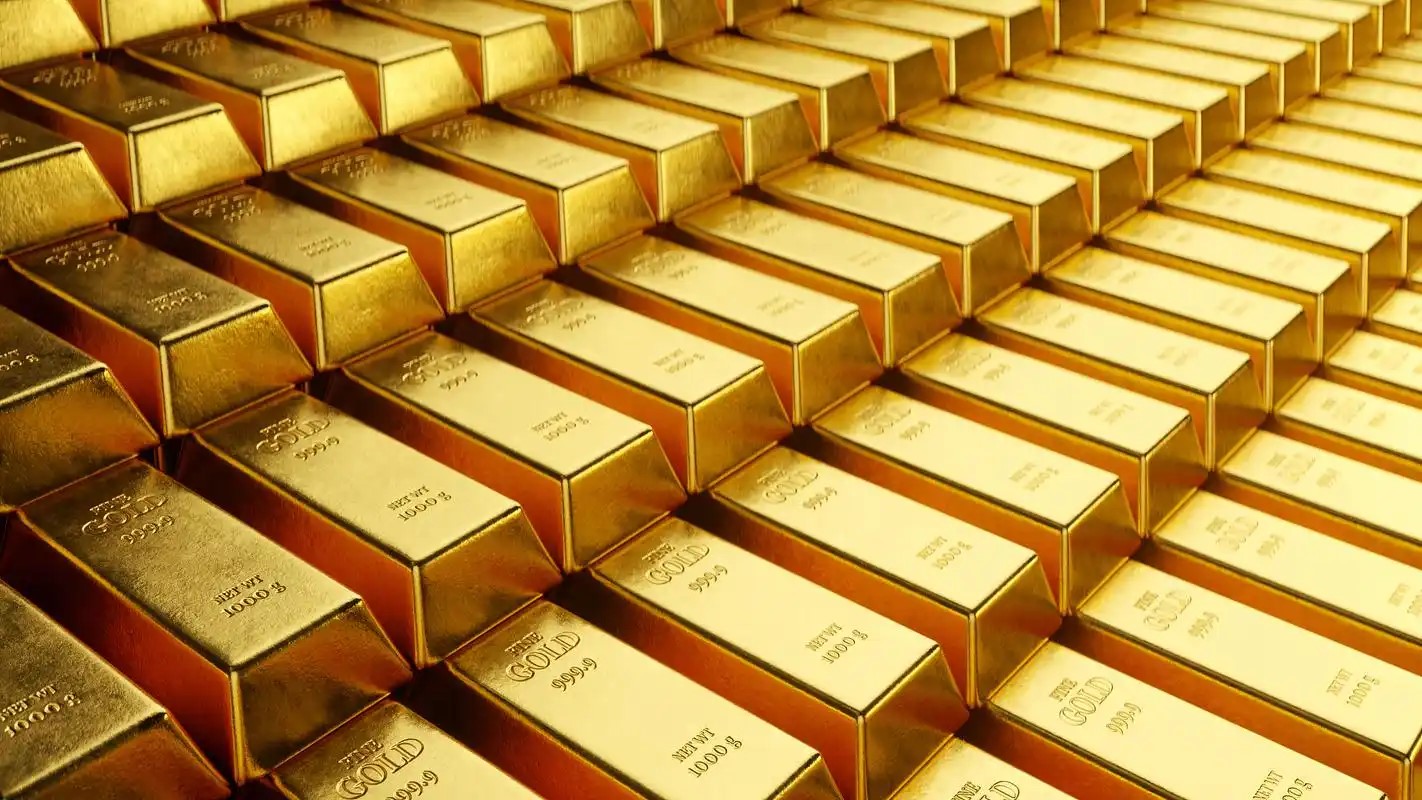
Just a few years ago, if we discussed gold prices breaking through the $5,000 mark, most Wall Street analysts might have thought you were talking science fiction. But today, on January 26, 2026, as I look at the flashing numbers on the screen—$5,100 per ounce—the reality feels suffocatingly heavy.
For us Americans, gold isn’t just jewelry; it has always been a barometer of economic anxiety. And right now, the dashboard is firmly in the deep red danger zone.
The “Safe Haven” of Geopolitics Becomes the “Main Battlefield”
This January has been unusually turbulent. The White House’s tough actions against Venezuela, its “all options are on the table” war warnings to Iran, and the Trump administration’s announcement of withdrawing from multiple UN agencies have pushed an already fragile international order to the brink of collapse.
In our collective understanding, whenever Washington “decouples” from the world or distant fleets begin to mobilize, gold becomes the only refuge. The current price of $5,100 doesn’t reflect our hopes of getting rich; it reflects the extreme global fear of geopolitical instability spiraling out of control.
Inflation Memories and the Battle to Preserve Purchasing Power
Although official data has been trying to reassure us, we can feel the dollar shrinking in California supermarkets and Texas gas stations. The situation is deeply ironic: President Trump promised to benefit America by controlling Venezuela’s oil, but the market doesn’t seem to be buying it.
People are frantically searching for something to hedge against uncertainty. Outside pawnshops in Hollywood and Manhattan, lines have even formed to buy gold coins. For many American families, if the dollar’s dominance falters amid this wave of diplomatic turmoil, those few gold coins in hand might be their last safety net.
The Trump Effect and the Paradox of the “Peace Commission”
It’s worth noting that this surge in gold prices is subtly linked to the “Peace Commission” Trump recently approved. Despite its nominal purpose of promoting peace, its “unrestricted by international law” rhetoric has left capital markets feeling unprecedented unease.
When our leaders declare that power is constrained only by personal morality, rational investors turn to trust an older law—the instinct of the gold standard. Gold’s climb to $5,100 is essentially the market casting a vote of no confidence in this kind of “unilateralism.”
Conclusion: The Chill Behind the Gold Rush
A record-high gold price should be a feast for its holders. But in the winter of 2026, this growth feels more like a warning.
We’ve witnessed Bulgaria formally join the Eurozone, watched U.S. military operations in South America, and seen gold prices chart an astonishing curve within 24 hours. As Americans, we’re used to leading the world, but the $5,100 price tag now reminds us: when the world becomes unpredictable, only this yellow-glinting metal offers humanity its most primal, and perhaps most helpless, comfort.
If we cannot restore diplomatic balance and economic rationality, this might not be the end of gold’s rise. But the question remains: if gold continues to surge, can the life we know ever return?



Earn passive income this month—become an affiliate partner and get paid!
Earn passive income with every click—sign up today!