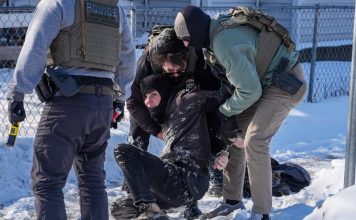






Ever since a massive immigration raid on a Hyundai manufacturing site swept up nearly 500 workers in southeast Georgia, Rosie Harrison said her organization’s phones have been ringing nonstop with panicked families in need of help.
“We have individuals returning calls every day, but the list doesn’t end,” Harrison said. She runs an apolitical non-profit called Grow Initiative that connects low-income families — immigrant and non-immigrant alike — with food, housing and educational resources.
Since the raid, Harrison said, “families are experiencing a new level of crisis.”
A majority of the 475 people who were detained in the workplace raid — which U.S. officials have called the largest in two decades — were Korean and have returned to South Korea. But lawyers and social workers say many of the non-Korean immigrants ensnared in the crackdown remain in legal limbo or are otherwise unaccounted for.
As the raid began the morning of Sept. 4, workers almost immediately started calling Migrant Equity Southeast, a local nonprofit that connects immigrants with legal and financial resources. The small organization of approximately 15 employees fielded calls regarding people from Mexico, Guatemala, Colombia, Chile, Ecuador and Venezuela, spokesperson Vanessa Contreras said.
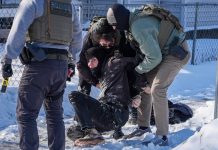
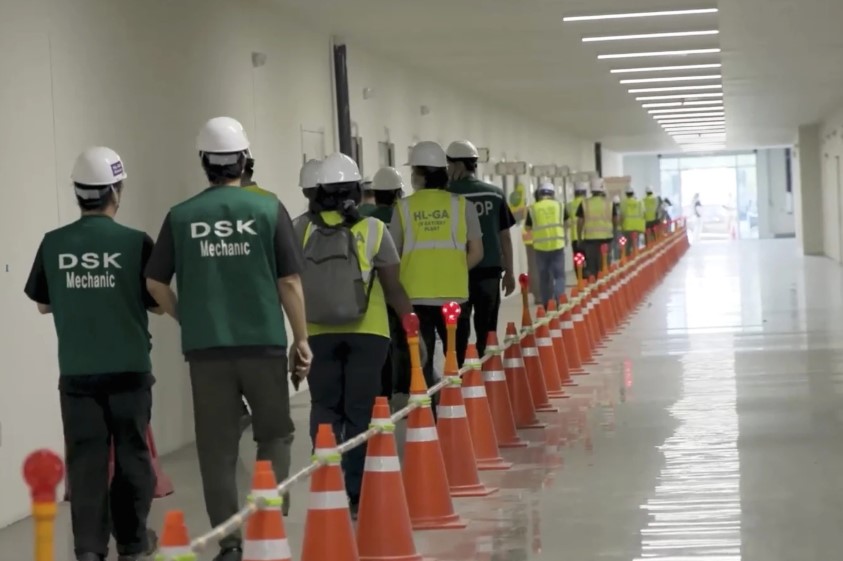
Throughout the day, people described federal agents taking cellphones from workers and putting them in long lines, Contreras said. Some workers hid for hours to avoid capture, in air ducts or remote areas of the sprawling property. The Department of Justice said some hid in a nearby sewage pond.
People off-site called the organization frantically seeking the whereabouts of loved ones who worked at the plant and were suddenly unreachable.
Like many of the Koreans who were working at the plant, advocates and lawyers representing the non-Korean workers caught up in the raid say that some who were detained had legal authorization to work in the United States.
Neither the Department of Homeland Security nor Immigration and Customs Enforcement responded to emailed requests for comment Friday. It is not clear how many people detained during the raid remain in custody.
Atlanta-based attorney Charles Kuck, who represents both Korean and non-Korean workers who were detained, said two of his clients were legally working under the Deferred Action for Childhood Arrivals program, which was created by former President Barack Obama. One had been released and “should have never been arrested,” he said, while the other was still being held because he was recently charged with driving under the influence.
Another of Kuck’s clients was in the process of seeking asylum, he said, and had the same documents and job as her husband who was not arrested.
Some even had valid Georgia driver’s licenses, which aren’t available to people in the country illegally, said Rosario Palacios, who has been assisting Migrant Equity Southeast. Some families who called the organization were left without access to transportation because the person who had been detained was the only one who could drive.
Riddle is a corps member for The Associated Press/Report for America Statehouse News Initiative. Report for America is a nonprofit national service program that places journalists in local newsrooms to report on undercovered issues.