



















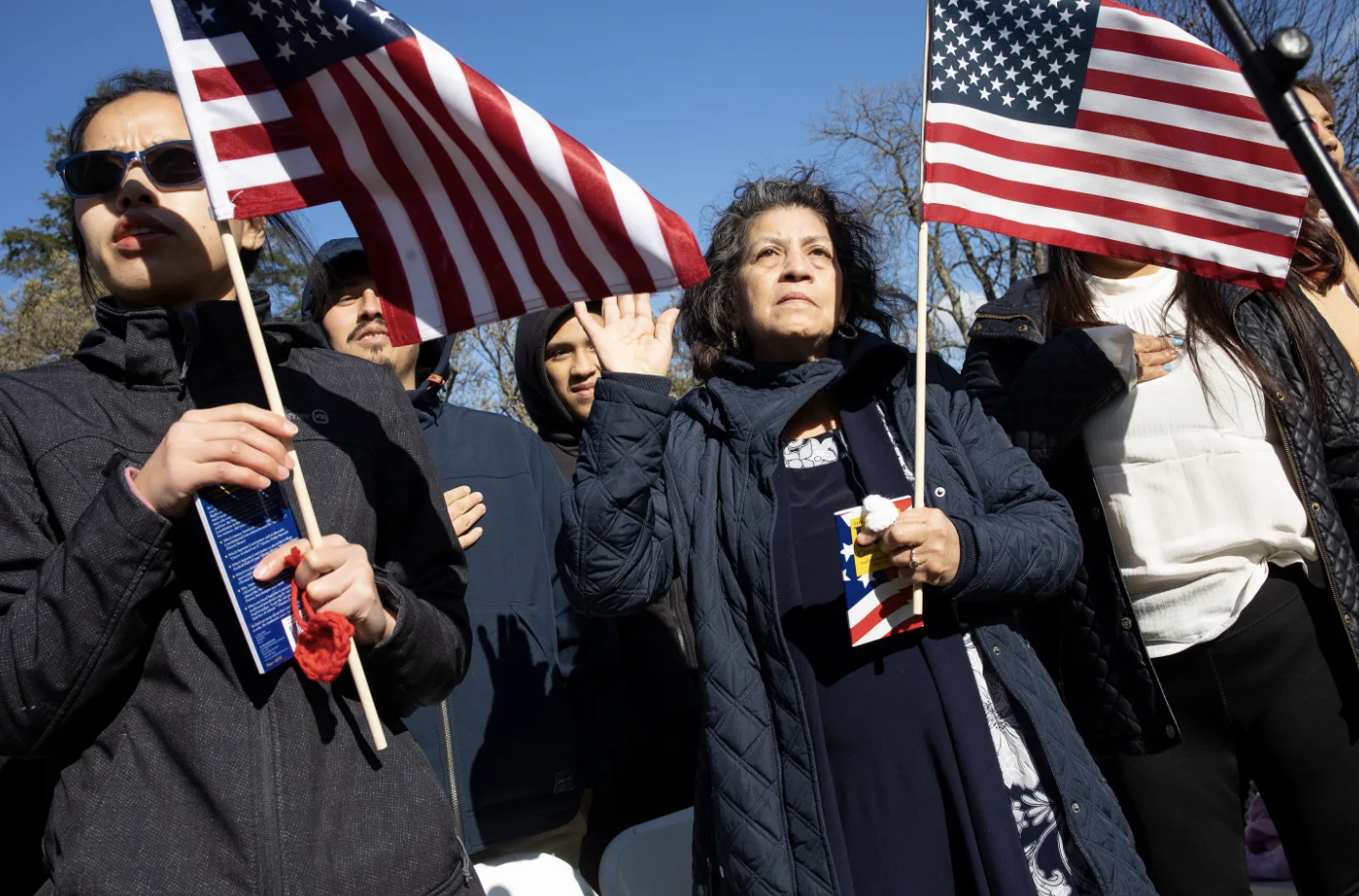
Last week, I stood in front of the Wal Mart shelf for ten minutes, holding a Columbia coffee can that I often bought for 8.99 dollars last year. Now the price of 11.32 dollars on the label is stinging. Cashier Martha sighed after scanning the password and said, “This cup of coffee has gone up in price for the third time in three months.
My child’s pure cotton school uniform set is even more exaggerated, rising from $45 per set last year to $54 this year. I had to grit my teeth and choose synthetic fiber, but my children say they feel stuffy wearing it. This is not a coincidence, but Trump’s tariffs have eroded our wallets for the 1000th day. The report released by Yale University last month was even more heartbreaking: due to tariffs, each American household spends an average of $2300 more per year, which is equivalent to paying nearly $200 more per month – enough to buy two boxes of milk, three bags of bread, or half a month’s worth of lunch for their children.

My family is a typical middle-income family. My husband works as a mechanic in a car company, and I work as an assistant in a community hospital. The so-called $1200 tax cut bonus from last year has been swallowed up by the daily price increase of $2200. The Mexican restaurant in the community has also changed its menu. The original $12 beef roll has now been replaced by chicken, and the portion size is smaller. The shop owner said helplessly, ‘The price of beef has risen too much, and we can no longer afford to sell it.’. Even more despairing is that this difficult life is not over yet.
My husband and I have started considering whether to sell our second car at home because it can save some fuel money. The White House always says that tax cuts can save the economy, but our bills won’t lie. According to the Federal Reserve, tariffs have pushed 875000 Americans below the poverty line. The so-called ‘America First’ ultimately means that ordinary people like us must pay for policies.