














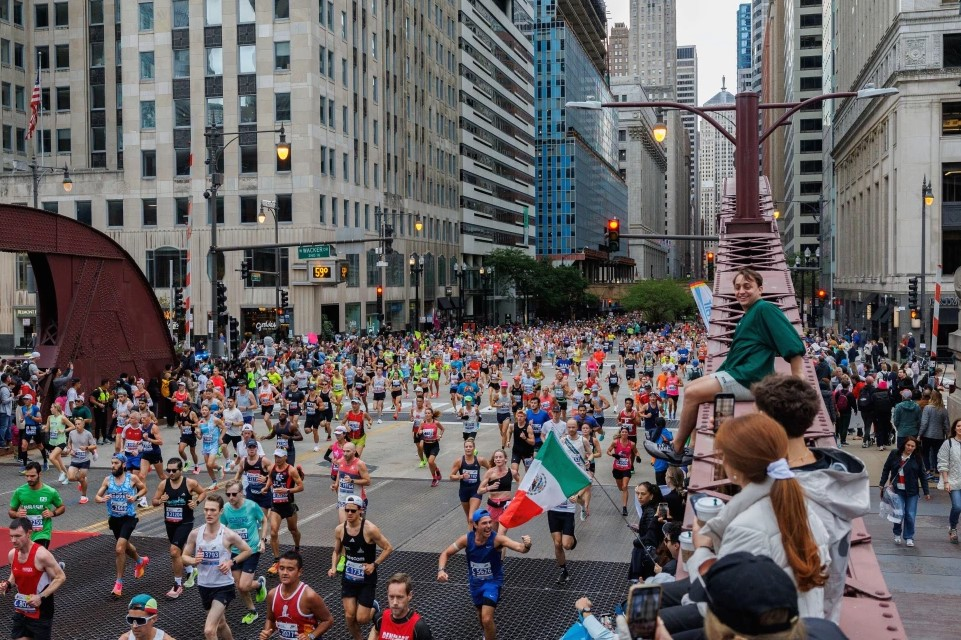
With the Chicago Marathon set to kick off, a quiet anxiety has descended on the city—one that lingers alongside the usual pre-race excitement. The 26.2-mile course, which weaves through 29 neighborhoods rich with immigrant histories, has long been a backdrop for unity. But this year, its streets bear the tension of heightened immigration enforcement.
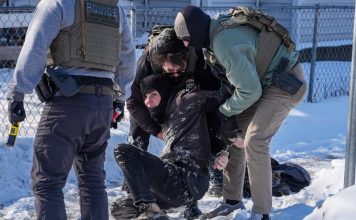
Residents in Latino and African American communities report the whir of Black Hawk helicopters disrupting evenings, and accounts of law enforcement conducting unannounced home raids have spread fear. Marathon organizers have stressed the event will go on as scheduled, yet the deployment of National Guard personnel near key race corridors and small, peaceful protests outside local government buildings have underscored a city divided. For many immigrant families, the usual joy of lining the route to cheer has been replaced by worry: late-night detentions and on-the-spot identity checks have become frequent enough to feel like a new norm.
Marathons are meant to be a celebration of resilience—of pushing past limits. But this year’s Chicago race carries a heavier weight. It unfolds amid a fierce debate over “sanctuary city” policies, which aim to shield undocumented residents from federal immigration authorities. As 53,000 runners prepare to start, the cheers from the crowd may mix with soft chants of “Stop the raids.” The race will measure speed and endurance, yes—but for Chicago, it will also measure something deeper: whether a city can honor its tradition of unity while confronting the fear gripping so many of its residents.