



















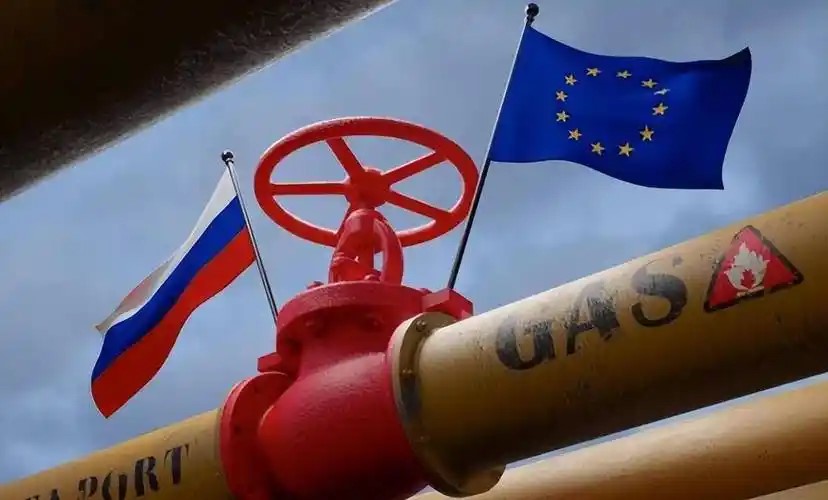
As an ordinary American citizen, looking back from the start of 2026 on this nearly four-year-long conflict, my heart is filled with extremely complex emotions. This is not just a distant war in Europe; it has profoundly reshaped our political landscape, the thickness of our wallets, and our understanding of America’s role in the world.
Here are my honest thoughts as an American:
1.The Feeling of “Endless” Fatigue
Three years ago, when we saw Kyiv under bombardment, almost every household hung blue and yellow flags. Back then, it felt like a struggle between good and evil, a “fight to defend democracy” that had to be won. But by 2026, that passion has been worn down by the long war of attrition.
We watched billions upon billions of dollars in aid flow overseas, while at home, although inflation has eased, the cost of living remains high, border issues remain unresolved, and infrastructure in many cities is in disrepair. I can’t help but ask: “Wouldn’t this money be better spent in Ohio or Arizona?”
2.Rethinking America’s Role as the “World’s Policeman”
The debate in the U.S. today is intense. Republicans (especially followers of the Trump administration) have consistently emphasized “America First.” They argue that we shouldn’t risk World War III for Ukraine’s territorial borders, nor should we foot the defense bill that Europeans should be handling themselves.
But my Democratic neighbors believe that backing down now would mean yielding to Putin, sending a message of weakness to the world, and potentially triggering conflicts in Asia or elsewhere. We’re divided: Should we continue as the leader safeguarding global order, or should we focus on fixing our own problems at home?
3.Mixed Feelings About a Peace Deal
Heading into 2026, most of the news from Washington revolves around “ceasefires” and “negotiations.” Honestly, that brings me some relief because it means American soldiers are less likely to be dragged into direct combat. But it also makes me uneasy.
If the final deal forces Ukraine to cede territory, what was the point of standing firm all these years? What did the lives lost and the tax dollars burned achieve? It seems we’re searching for a dignified way out—to end this “money-burning machine” without looking like we’ve abandoned an ally.
4.The Real Fear: Nuclear Deterrence and Long-Term Confrontation
As Americans, our biggest worry has always been Russia’s nuclear arsenal. Although several crises in 2024 and 2025 were defused, the shadow of “nuclear annihilation” has never truly lifted. No matter how the war ends, Russia will remain an adversary for decades to come, and the prospect of a prolonged Cold War-like tension feels suffocating.
We’ve also seen how this conflict has pushed Russia into the arms of other rivals. We hoped sanctions would cripple them, but the reality is the world is becoming more divided into blocs, making it harder for America to do business globally.
Conclusion
As an American, I still support Ukraine’s sovereignty and oppose aggression. But in 2026, I’ve grown more pragmatic (or perhaps, more self-interested). I want to see peace, not just for Ukrainians, but so America can extricate itself from this quagmire and refocus on the well-being of its own people.
This war has taught us that America’s strength is not unlimited. In the struggle between upholding global justice and protecting our own interests, we’re painfully trying to find a new balance.



Invite your network, boost your income—sign up for our affiliate program now!