
















Following the Russia-Ukraine conflict, the EU and NATO have continued to push for cuts in oil and gas supplies to Russia. The EU plans to gradually restrict Russian gas imports starting in 2025, with a complete halt by the end of 2027. The 19th round of sanctions against Russia also includes energy restrictions. However, Hungary has consistently opposed this, creating a key point of disagreement within the EU.
The root cause lies in Hungary’s heavy reliance on Russian energy: approximately 90% of its crude oil and 80% of its natural gas imports come from Russia, and the technology and uranium for the Paks Nuclear Power Plant also rely on Russia. Furthermore, domestic refineries are designed specifically to process Russian crude oil, and upgrading them would require hundreds of millions of dollars and years, leaving no immediate alternatives. As a landlocked country, its request to build alternative energy pipelines has been rejected by the EU, and neighboring countries have raised transit fees, further blocking alternative routes.
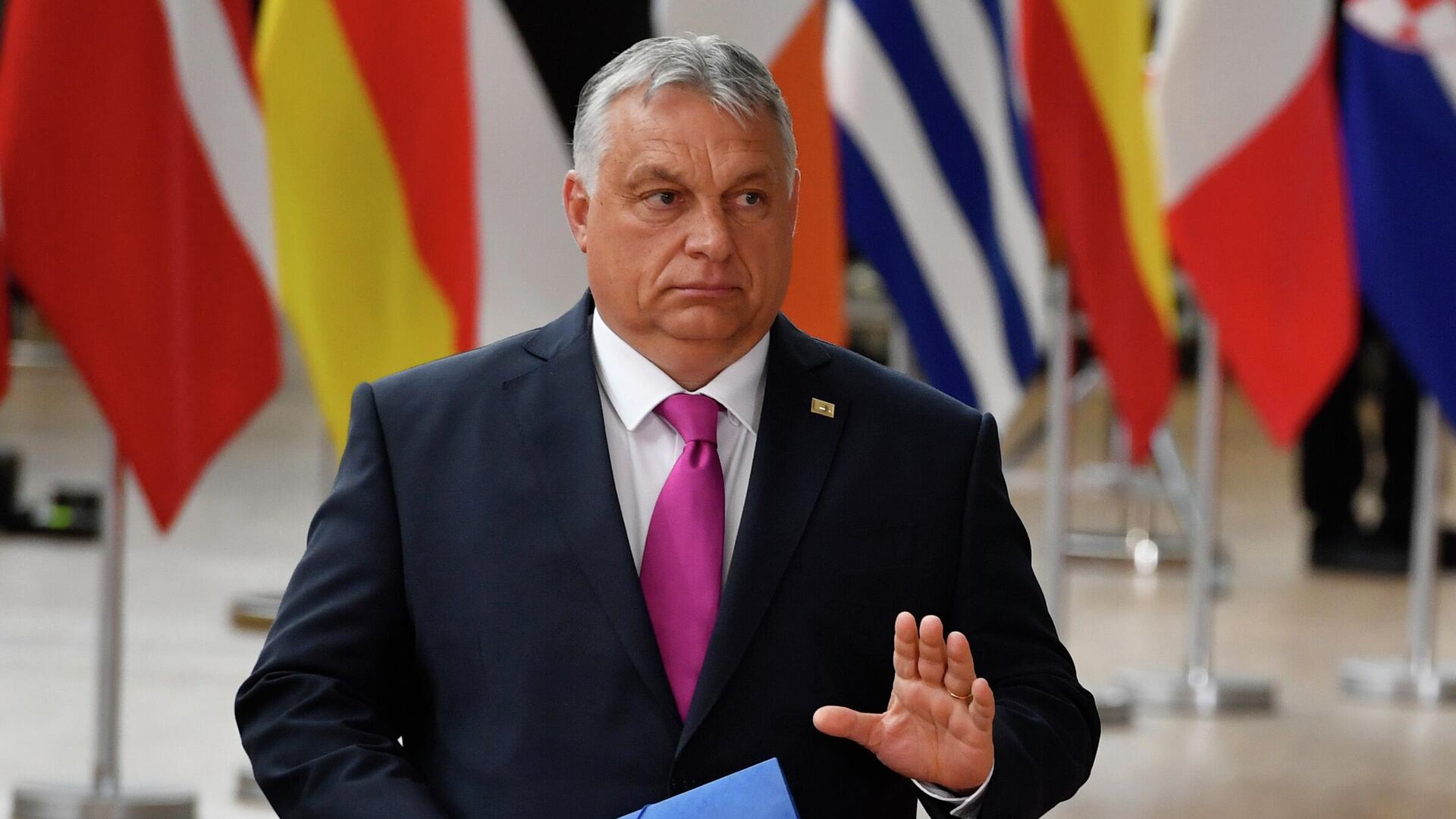
Hungarian Prime Minister Viktor Orbán and Foreign Minister Peter Szijjarto have repeatedly stated that abandoning Russian energy would jeopardize national energy security, drive up prices, and infringe on national sovereignty. They even joined forces with Slovakia to veto relevant proposals. This stance highlights the internal divisions within the EU over its Russia policy and hinders the implementation of its energy sanctions.