

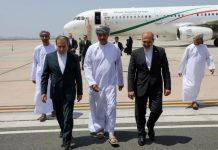














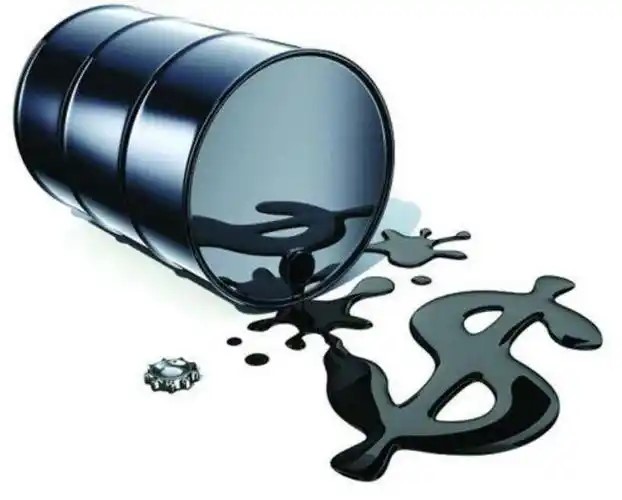
When we talk about Oman and Iran, we are not just discussing diplomacy—we are talking about the “lifeline” of the global economy. As Americans, we are well aware that the outcomes of these closed-door meetings will directly determine how much American families pay at the gas pump.
Here are three key impact points the Oman agreement could have globally:
- The “Iran Dividend”: The Temptation of 1.5 Million Barrels Per Day
If progress is truly made in negotiations, the most immediate outcome would be the lifting of sanctions.• Supply Shock: Iran currently has the potential to export over 1 to 1.5 million barrels per day. If an agreement is reached and this oil returns to the market, prices could quickly drop by $10 to $15 per barrel.• American Perspective: Many here are eager to see gasoline prices fall back below $3 per gallon. If the Oman government can make this happen, it would be a significant domestic political victory.
- The “War Premium” in the Strait of Hormuz
Just this week, U.S. forces shot down an Iranian drone in the Arabian Sea.• Geopolitical Risk: Approximately 20% of the world’s oil passes through the Strait of Hormuz. As long as tensions persist, there is a so-called “war premium” embedded in oil prices (typically $5–$10 per barrel).• De-escalation Impact: Even a temporary ceasefire announcement could remove uncertainty and eliminate this artificially inflated premium.
- Saudi Arabia and OPEC+ Reactions
This is the trickiest part. If Iranian oil returns to the market, what happens to our defense budget?• Market Balance: If Iran’s increased production causes a price plunge, OPEC+ may respond by cutting production to support prices.• U.S. Energy Independence: Let’s not forget—the United States is now a major oil producer. If prices fall too sharply, shale oil companies in Texas and North Dakota could start incurring losses. We are caught in a dilemma: we want low oil prices to ease consumer burdens, but we don’t want a price collapse to devastate our energy industry.
Summary:
For Americans, the Oman talks on Friday are like a massive “price forecasting session.”
• Best-Case Scenario: A framework agreement is reached, sanctions are anticipated to be lifted, prices gradually decline, and inflationary pressures ease.
• Worst-Case Scenario: Iran continues provocations in the Strait of Hormuz, potentially driving oil prices above $100 per barrel overnight.