



















Lawyers for four of 14 West African men deported by the U.S. to Ghana said Monday the men remained in that third country and had not been returned to their homes, contradicting an earlier statement by a Ghana official who said they have all been.
The lawyers, in a court filing, said the men’s situation remained precarious but they had not been sent to their home countries, where they argue some could face persecution or torture.
The confusion surrounding the case reflected the dizzying pace at which the Trump administration has moved ahead with its immigration priorities, which lawyers say has come at the cost of immigrants’ legal rights and sometimes puts their safety at risk.
News of the West Africans’ deportation to Ghana emerged last week, sparking a lawsuit by U.S. lawyers. They argue the move was an attempt by U.S. authorities to evade their own immigration laws that prevent some of the men from being returned to countries where their well-being could be at risk.
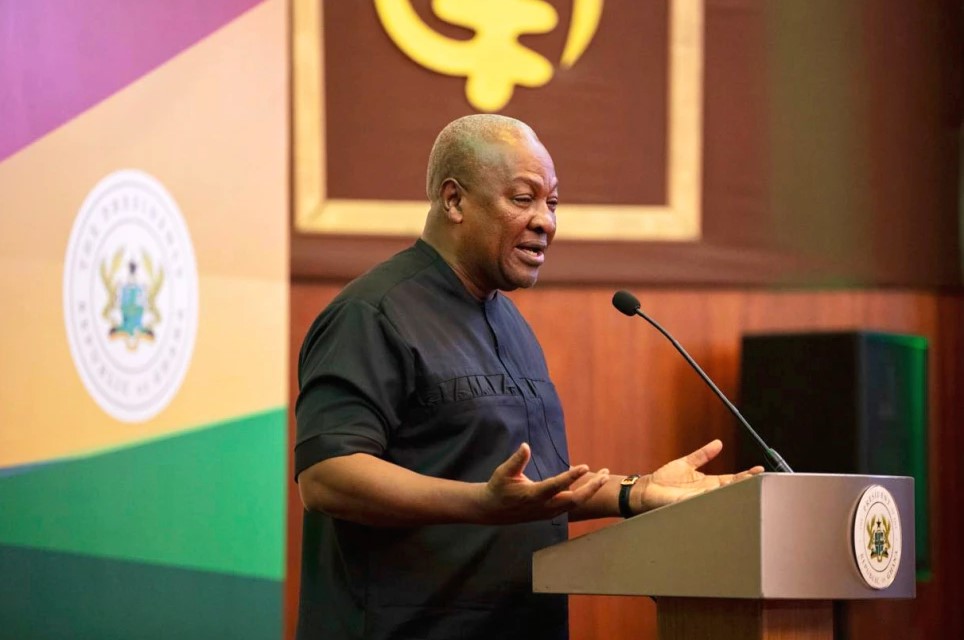
On Monday, Felix Kwakye Ofosu, Ghana’s minister for government communications, told The Associated Press that all 14 — 13 Nigerians and one Gambian — “have since left for their home countries,” without saying when they were returned.
But in a court filing later Monday, lawyers for four of the men said they had last communicated with them Monday evening and they were still at the camp where they were being held in Ghana. Another plaintiff they represent had been sent to his country of origin before the lawsuit was filed.
“Plaintiffs believe they still face imminent removal for the reasons set forth in Plaintiffs’ prior filings and (incorrect) statements earlier today from Ghanaian officials that Plaintiffs have already been removed to their countries of origin,” the filing read.
It was not immediately possible to reconcile the two versions. Officials in Ghana could not immediately be reached for clarity.
Lawyers argue the men have legal protections
Lawyers have said they’re concerned that the Trump administration is deporting people and then trying to distance itself from the repercussions. The case has drawn parallels to that of Kilmar Abrego Garcia, whom the administration mistakenly deported to El Salvador despite a court order prohibiting it, then argued it couldn’t get him back.
The Trump administration, faced with people in immigration proceedings who for legal and procedural reasons cannot be sent back to their home countries, has increasingly been trying to send them to third countries with which the administration has created agreements to take deportees.