











 South Korea, now Asia’s fourth-largest economy and a global cultural powerhouse, was once among the world’s largest exporters of children. Between 1955 and 1999, over 140,000 children were sent abroad for adoption. International adoptions began after the Korean War ended between 1950 and 1953, aiming to remove mixed-race children born to local women and American soldiers from a society that valued ethnic homogeneity.
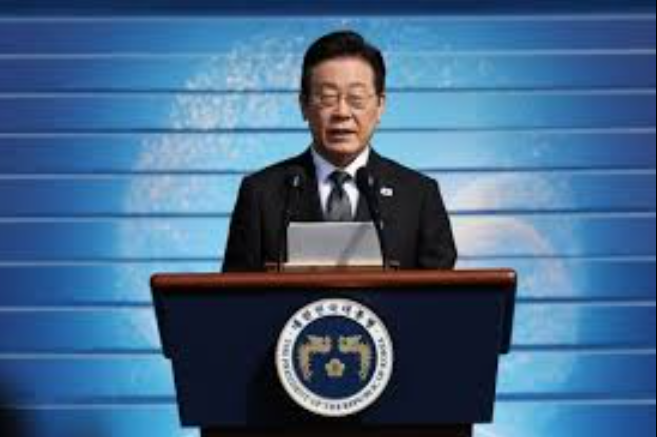
In his statement, Lee Jae-myung said: “Recent court rulings and investigations by the Truth and Reconciliation Commission reveal that unjust human rights violations did occur in some overseas adoption processes.”
“During that period, the state failed to adequately fulfill its responsibilities. On behalf of the Republic of Korea, I extend my sincere apologies and condolences to the overseas adoptees who suffered, their adoptive families, and their birth families.”
In the 1970s and 1980s, as South Korea emerged from post-war poverty and rapidly developed its economy, overseas adoption evolved into a massive industry generating millions of dollars in revenue for international adoption agencies. Lee Jae-myung stated that despite South Korea becoming an economic powerhouse, over 100 children were still sent for overseas adoption annually on average in the 2020s.
Recently, the primary source of overseas adoptions has been infants born to unmarried women, who continue to face social exclusion in a conservative society.
In a landmark statement released this March, the Truth Commission concluded that human rights violations occurred in the process of international adoption of South Korean children, including “falsification of orphan registrations, identity tampering, and inadequate screening of adoptive parents.”
The commission also found that “legal consent procedures for birth parents were not followed in numerous cases” and called on the government to issue a formal apology.