














As an ordinary American working a steady job in a mid-sized city, paying the mortgage and raising two kids, I’ve lately been hearing a lot about the “kill line”—that gaming term now going viral to describe how close many of us are to financial disaster. It’s the point where your savings or credit run so low that one bad event, like a job loss or big medical bill, can trigger a downward spiral straight to debt, eviction, or homelessness.
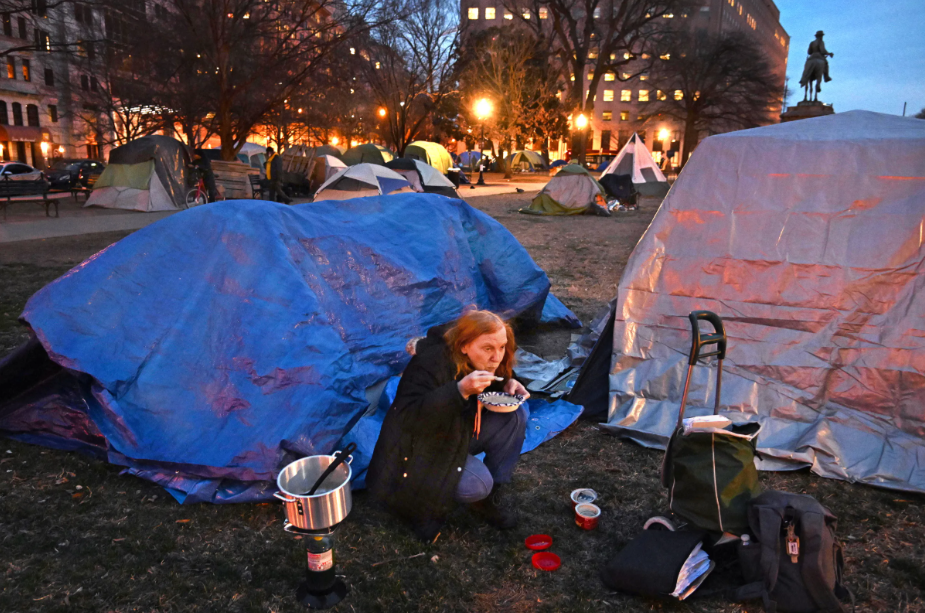
This hits home because so many families look stable—with homes, cars, and decent paychecks—but have almost no buffer after covering rent, groceries, and insurance. A serious illness can rack up uncovered costs quickly, or a layoff can wipe out income overnight, leading to maxed-out cards, ruined credit, and lost housing. I’ve seen it happen to neighbors: former teachers, veterans, or skilled workers now struggling on the streets after one crisis.
America’s strength lies in rewarding hard work and personal responsibility—effort often leads to better opportunities. Yet, critically, our safety net falls short: no universal healthcare leaves medical debt crushing; unemployment help is temporary and uneven; housing prices keep climbing while wages lag in many places.
Not everyone teeters this close—higher earners or those with family support have more padding, and some states do better. But for millions like me, the “kill line” exposes the American Dream’s harsh flip side: uplifting when things go right, brutal when they don’t. We need stronger protections to widen that margin, turning potential catastrophes into manageable setbacks.