

















Four days into early voting ahead of the November 4 election, turnout in New York has already soared to five times the level of the 2021 mayoral contest.
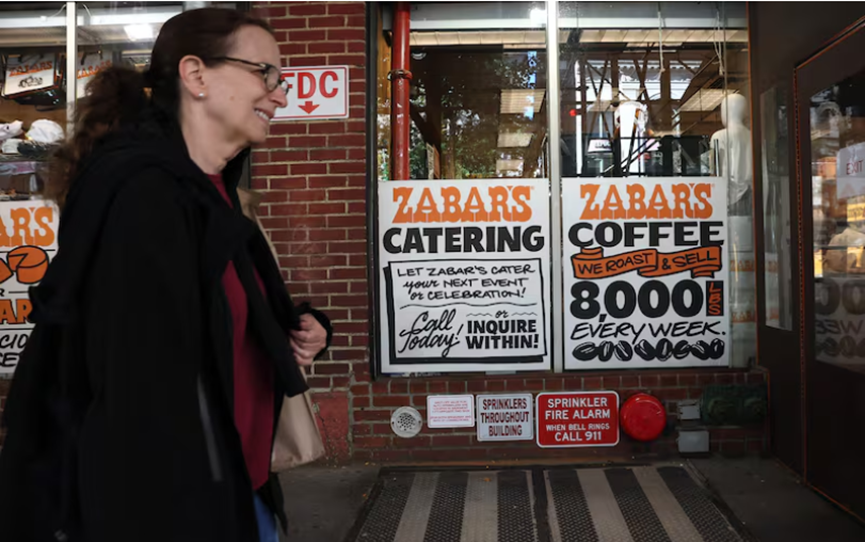
The surge comes as affordability emerges as the election’s defining issue. For many New Yorkers, the cost of living has become untenable. Surging grocery prices now compete with sky-high rents for top spot among economic grievances.
According to US federal data, prices for eggs, meat, poultry and fish have climbed by nearly 9 per cent over the past year in the city.
“Grocery prices are out of control – as mayor, I will create a network of city-owned grocery stores,” said Zohran Mamdani, a state assemblyman from Queens and the race’s frontrunner, in a recent social media post.
Mr Mamdani has built his campaign around an unorthodox proposal: five city-run grocery stores that would sell food at near-wholesale prices and operate without a profit motive. The stores, he said, would be built on city-owned land, would be exempt from rent and property taxes and would be stocked through bulk purchasing agreements.
His pitch is simple, even blunt. “New Yorkers can’t afford groceries,” the mayoral hopeful said. “We will redirect city funds from corporate supermarkets to city-owned grocery stores, whose mission is lower prices, not price-gouging.”
Mr Mamdani, a member of the Democratic Socialists of America, has argued that the initiative will combat inflation-driven food insecurity and loosen what he calls the “corporate stranglehold” on the cost of living. His supporters see his idea of city-run markets as a moral response to skyrocketing prices.
“I think it’s the correct approach,” said Jose Suarez, 31, a bartender. “Prices have risen a lot because of inflation and it’s less money for my family. I’m not able to save at all. I think his plan can work.”
Others see in Mr Mamdani a broader vision for a fairer city. “I like Mamdani because he wants to bring affordability back to New York, making rent affordable, which is something every New Yorker suffers from,” said Lisa, 52. “He represents a reset button.”
Maddi, 26, a Brooklyn resident who has canvassed for Mr Mamdani, shared a similar view. “I love that he answers questions directly,” she said. “It looks like he has a plan and is very transparent. I like that he’s young but not too young … he has energy. He has no problem apologising. I want a system that makes things more equitable.”
The idea of city-run markets carries echoes far beyond New York City. Asli Aydintasbas, a senior fellow at the Brookings Institution, noted that a similar system of municipally backed food programmes helped shape the political ascent of Turkey’s President, Recep Tayyip Erdogan.
As mayor of Istanbul in the 1990s, Mr Erdogan established a network of subsidised markets and urban welfare programmes that built deep reservoirs of grassroots support.
“It’s the same kind of ecosystem of urban subsidies that Mamdani is proposing,” Ms Aydintasbas said. “Grocery stores, free buses, rent control, these become both social safety nets and political tools.”