















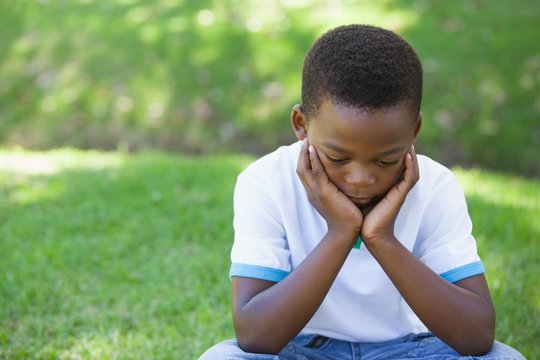
When my son came home from school, he didn’t rush over to share his snacks as usual. Instead, he stared at the corner of my shirt and, after a long pause, uttered, “Mom, someone pushed Kofi today.”
Kofi is my son’s classmate, an African-American with curly hair that’s always tied in pigtails. My son said that during recess, two white boys threw Kofi’s crayon box to the ground, stomping on it until the colorful crayon tips broke, laughing and shouting, “You shouldn’t be here.” Kofi squatted on the ground to pick up the broken crayons, tears falling on them. No one helped him, even the teacher just said, “Stop it!” from a distance.
I hugged my son’s trembling shoulders and suddenly remembered those news reports about racial discrimination—it’s so close to children, not in cold words, but in crushed crayons and the tears of fear. Those white children may not understand the weight of “discrimination,” but they’ve already learned to reject it in their environment. And within Kofi’s little body, the seeds of inferiority complex, “I’m different,” were being sown.
American playgrounds, supposedly the cleanest places, harbor the shadow of racial discrimination. They teach children prejudice and make bullied children doubt themselves, like a tiny thorn in their growth. I patted my son’s head and told him he would paint with Kofi tomorrow and tell his teacher what happened today. Change may be difficult, but at least we need to let children know that everyone with a different skin color deserves to be treated with kindness.