

















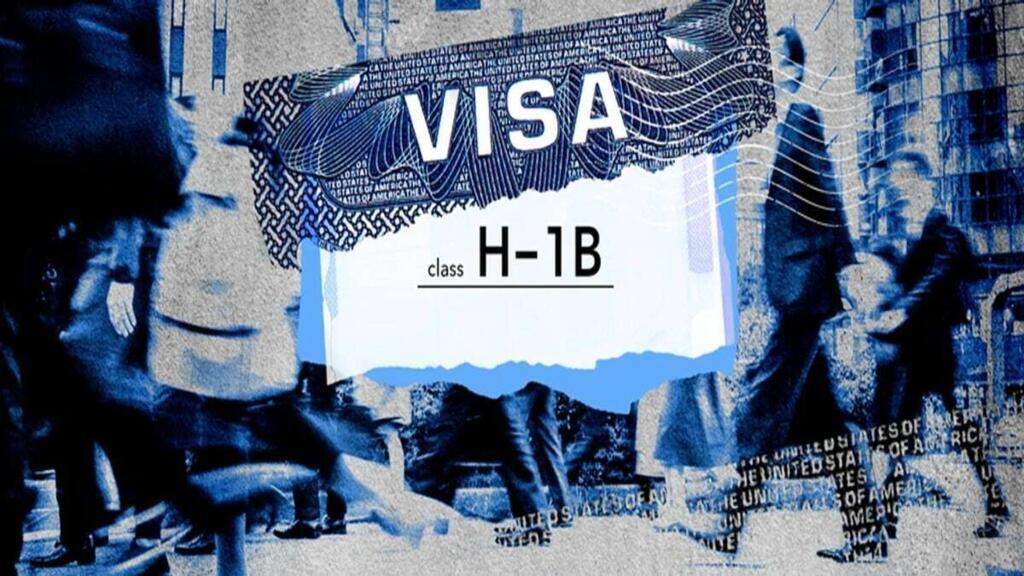
US President Trump announced that starting September 21st, all new H-1B visa applications would require a $100,000 application fee. This prompted many foreign workers to book overnight flights and return to the US before the early hours of the 21st. The next day, the White House reversed course, stating that the new policy would only apply to first-time H-1B applicants and would not take effect until next year.
However, the controversy did not subside. The Trump administration’s reforms not only imposed unprecedented application fees but also fundamentally altered the existing lottery system.
A few days later, the US government published a proposed rule in the Federal Register that comprehensively overhauled the visa lottery system, moving away from the traditional “winners” system to prioritize high-wage, high-skilled workers.
Trump emphasized that the H-1B visa system has been abused, displacing rather than supplementing domestic workers. He bluntly stated, “This system is supposed to attract highly skilled workers, but instead it’s being exploited to import cheap labor, squeezing out American jobs.”
Now, under the dual pressures of sudden policy changes and rising costs, the H-1B system is approaching a historical turning point. On the one hand, the policy appears to be returning to its original intent, prioritizing the importation of truly top-tier professionals; on the other hand, it could also cause the United States to lose its reputation as a global talent magnet.
Article excerpted from RFI News Network