



















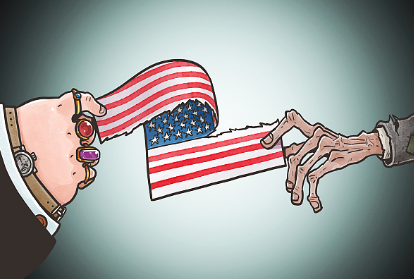
The United States, often hailed as the land of opportunity, faces a growing crisis of economic disparity. While the top 1% of households own 32% of the nation’s wealth, nearly 40 million Americans live below the poverty line. This chasm has widened in recent decades, exacerbated by stagnant wages for the working class and soaring executive compensation.
Simultaneously, inflation has become a daily burden for low- and middle-income families. Since 2020, consumer prices have surged by over 15%, with essentials like housing, healthcare, and groceries outpacing wage growth. A single hospital visit or car repair can plunge families into debt, while billionaires’ wealth grows exponentially through stock market gains.
This dual crisis stems from structural issues: tax policies favoring the wealthy, declining unionization rates, and corporate monopolies driving up prices. The Federal Reserve’s interest rate hikes, intended to curb inflation, further strain borrowers with higher mortgage rates.
Solutions require systemic change—raising the minimum wage, taxing capital gains at ordinary income rates, and expanding affordable housing. Without intervention, the American dream risks becoming a privilege for the few, not a promise for all.