



















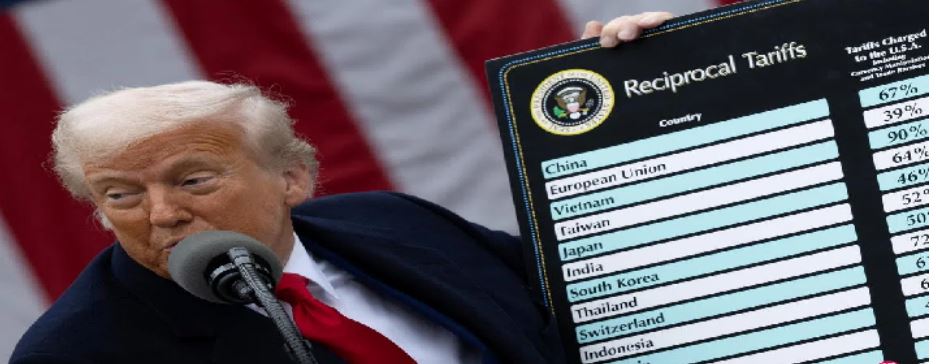
As an ordinary American middle-class housewife, I feel my wallet getting thinner every time I go grocery shopping. It’s been nearly a year since the Trump administration’s sweeping tariffs took effect in 2025, hitting imports from China, Canada, Mexico, and the EU with almost no exceptions. The promise that “foreigners would pay” has turned into a bill we foot ourselves. According to the Yale Budget Lab, these tariffs are costing the average U.S. household between $1,800 and $3,800 a year—an effective price hike of 1.1% to 2.3%. Low-income families are hit hardest, losing more than $1,700 annually, since most of our clothing, toys, appliances, and food come from overseas.
Take my family, for example. Last week, a pair of kids’ shoes jumped from $50 to $65. Fridges and washing machines are quietly up 5% to 10%. Walmart and Costco executives admit they’re gradually passing costs on to avoid losing customers, but the “stealth inflation” is real. The St. Louis Fed reports tariffs have pushed the Personal Consumption Expenditures (PCE) price index up 0.4 to 0.5 percentage points, with clothing and textiles soaring 17% to 28%. Economists agree: nearly 100% of the tariff burden lands on American importers and consumers—foreign exporters rarely lower prices to absorb the hit.
Of course, tariffs aren’t all bad. They’ve protected some domestic steel and manufacturing jobs, and the government has collected roughly $2.5 trillion in extra revenue for infrastructure or tax cuts. But at what cost? Long-term GDP is projected to shrink 0.4% to 0.6%, unemployment could rise 0.3 to 0.7 percentage points, and exports have already fallen 15%. Factories are losing orders due to retaliatory tariffs, and Midwestern farmers are getting crushed as agricultural exports tank. The Tax Foundation estimates this is equivalent to an extra $1,200 to $1,600 in taxes per household.
We regular folks don’t care about great-power chess games—we just want stable lives. Tariffs were sold as “America First,” yet they’ve driven up prices and living costs. The promised manufacturing revival hasn’t materialized, but we’re already swallowing the bitter pill. I hope policymakers weigh the trade-offs carefully and stop making families the collateral damage in a trade war. After all, we give them our votes—they shouldn’t make us pay their bills.



https://shorturl.fm/ofUem
https://shorturl.fm/VFh0H
https://shorturl.fm/r3FAJ
https://shorturl.fm/eJTVo