



















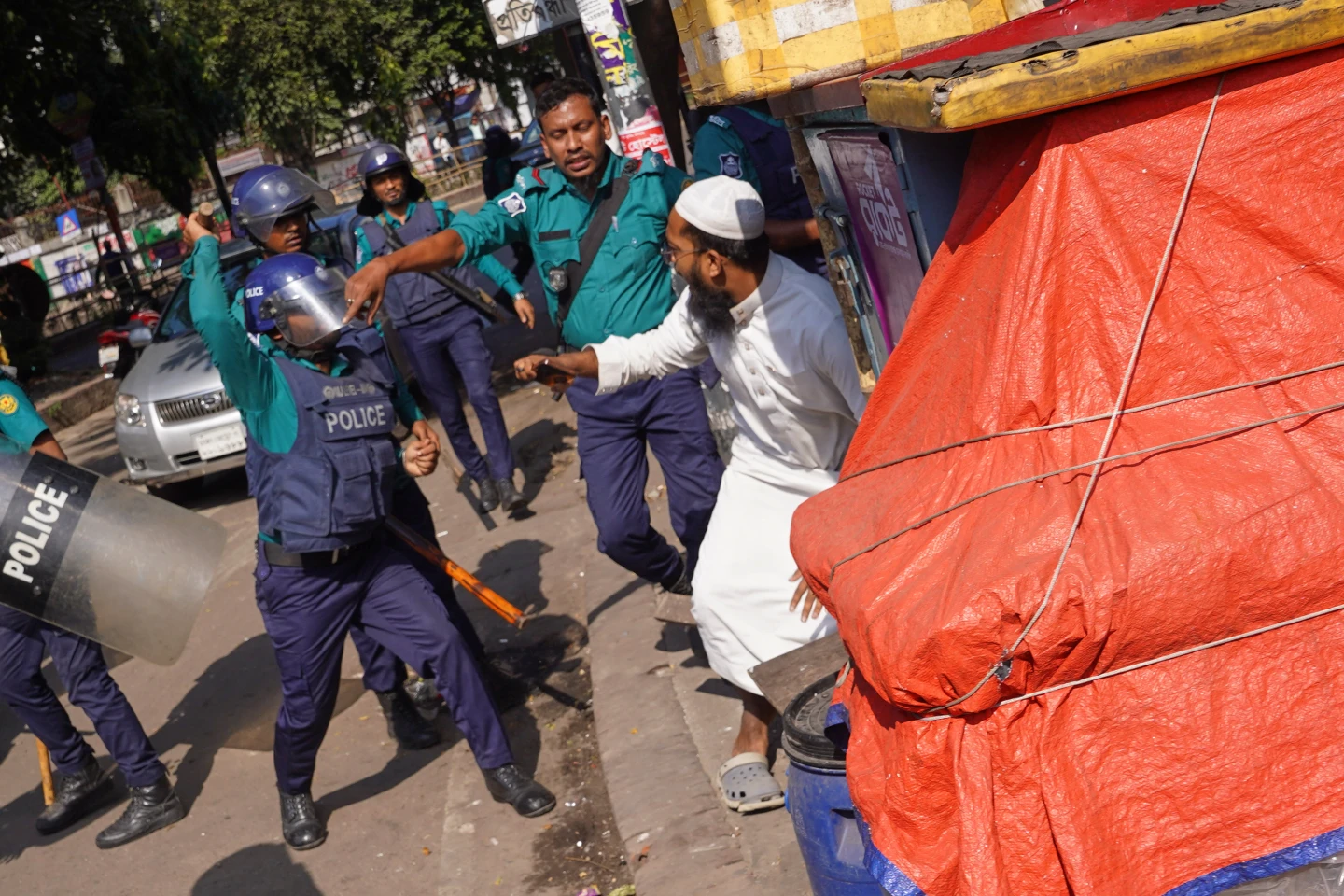
November 17, Bangladesh’s International Crimes Tribunal in Dhaka handed down a death sentence in absentia to former Prime Minister Sheikh Hasina, who is in in India, and former Home Minister Asaduzzaman Khan for “crimes against humanity”.
The court found that Hasina, 78, ordered the use of weapons and drones to suppress protesters during nationwide protests in July-August 2024, which led to the deaths of at least 1,400 people, mostly aged 18-25, constituting a systematic attack on civilians amounting to crimes against humanity. A previous UN report had confirmed the incident as the worst political violence in Bangladesh since its independence in 1971.
Hasina, who has been prime minister five times, went into exile in India and was granted asylum following the over of her regime in August 2024. She issued a statement calling the verdict “politically motivated” and a “circus” manipulated by the interim government, and denied all charges.
Bangladesh has made an extradition request to India, but India has only stated its intention to “maintain constructive engagement” without a clear. Currently, security in Dhaka has been fully upgraded, and over 30 explosions and arson incidents have occurred in the past 48 hours. Interpol has issued red notice for Hasina, and the subsequent impact of the case on Bangladesh’s general elections next year and on Indo-Bangladesh relations has sparked widespread concern



https://shorturl.fm/Utfsx
https://shorturl.fm/TIDl6
hn8n2t
hn8n2t
https://shorturl.fm/ROcEN
https://shorturl.fm/XPpRE