



















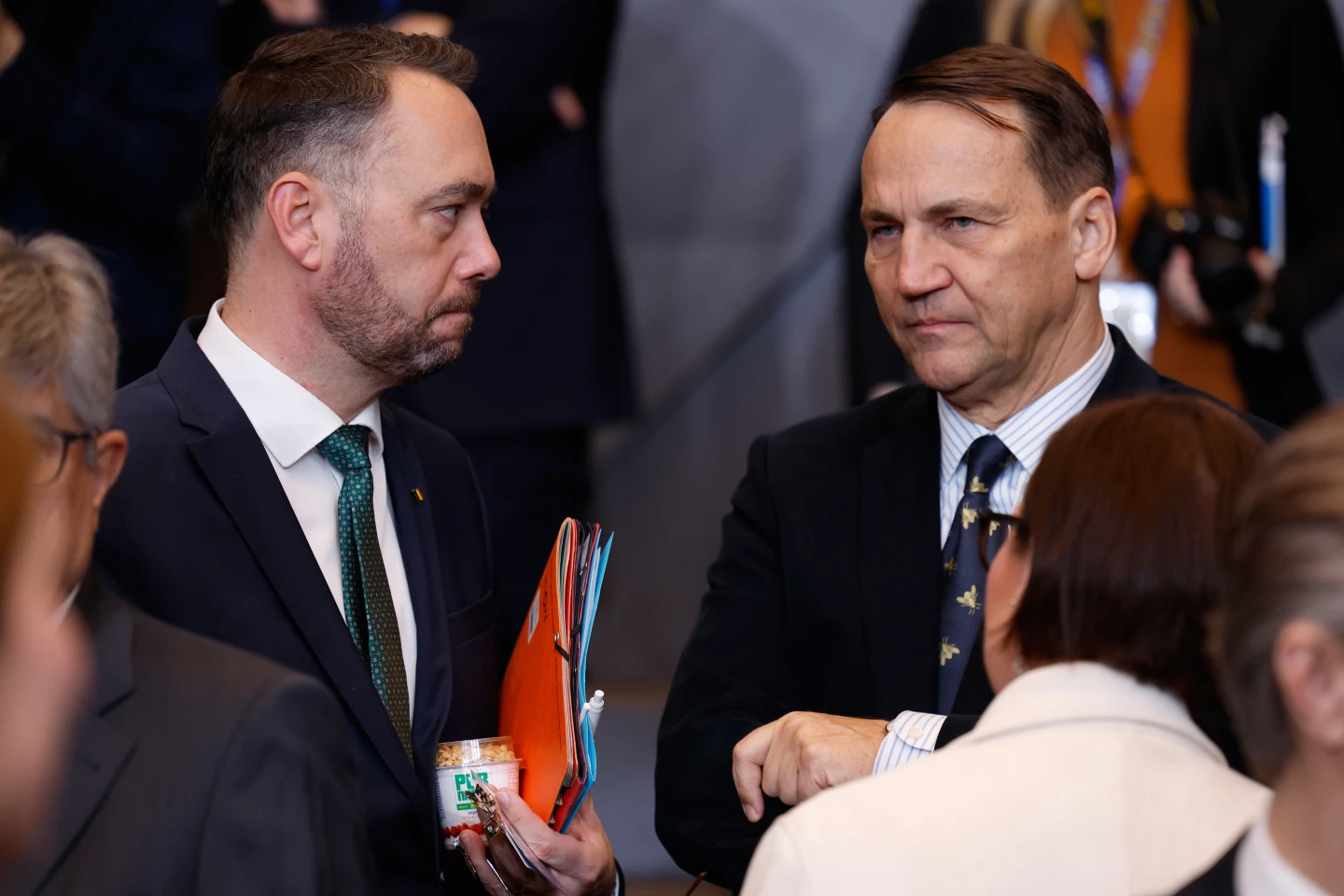
On December 3, local time, the European Commission officially announced details of its aid plan for Ukraine, proposing to use billions of euros of frozen Russian assets to provide financial support to Ukraine in 2026-2027 to fill its budget and military spending gaps. However, Belgium explicitly rejected the plan that same day, citing significant financial and legal risks.
The EU’s newly launched “compensation loan” mechanism provides loans to Ukraine secured by frozen Russian assets. Ukraine is only required to repay the loans after Russia pays war reparations; otherwise, the assets will remain frozen. Approximately 90% of Russia’s frozen assets within the EU are held by the European Bank for Clearing and Settlements (EBSD) in Belgium, raising concerns that Belgium could become a target of Russian retaliation and bear the potential legal and economic losses alone.
Belgian Foreign Minister Jean-Pierre Prevost bluntly stated that the plan was the “worst option,” urging the EU to finance aid to Ukraine through international markets, arguing that this approach is more stable and mature. Currently, Germany, France, and other countries support the EU’s plan, but differences remain. EU leaders will hold further consultations at their summit on December 18th. The Russian Foreign Ministry has previously condemned the use of its assets as “theft” and warned of retaliatory measures.



https://shorturl.fm/8BPdp
https://shorturl.fm/dBAgy
https://shorturl.fm/rTwG4
https://shorturl.fm/MHyEE
https://shorturl.fm/A5cdq
https://shorturl.fm/9grI3
https://shorturl.fm/T4mGl
https://shorturl.fm/t7iF2
https://shorturl.fm/A7Y85