









For the people of Cuba, the passage of time is no longer measured by clocks, but by the hum of a returning generator or the sudden click of a light switch falling silent. As the island faces its most severe energy crisis in decades, compounded by a sharp escalation in tensions with the United States, a profound sense of powerlessness has taken root in the Cuban psyche.
1. The Anatomy of Darkness
The collapse of the national power grid is not merely a technical failure; it is a systemic breakdown that touches every facet of human dignity.
- The Heat and the Hunger: With blackouts frequently lasting over 15 hours a day, the basic act of preserving food becomes a gamble. In a country where food is already scarce, the smell of spoiling meat in a powerless refrigerator is a visceral blow to a family’s survival.
- The Infrastructure of Despair: Cuba’s thermoelectric plants are aging veterans of the Cold War. Lacking the “hard currency” to buy parts—often due to the complex web of trade restrictions—technicians are forced to use “MacGyver-like” ingenuity to keep the lights on, a strategy that is reaching its breaking point.
2. The Geopolitical Vice: Washington and Havana
The domestic struggle is mirrored by an increasingly hostile international environment. The “thaw” of a decade ago is a distant memory, replaced by a new era of friction.
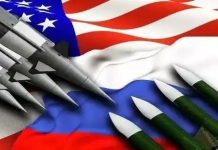
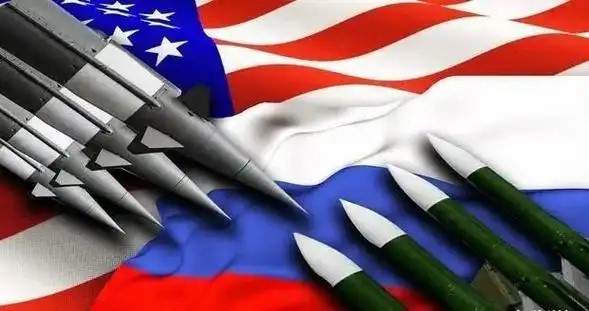
- Maximum Pressure: The inclusion of Cuba on the U.S. list of State Sponsors of Terrorism remains a primary bottleneck. It effectively shuts the door on international banking, preventing the island from securing the credit lines necessary to modernize its energy sector.
- The Rhetorical Cold War: As Washington tightens sanctions and Havana responds with defiant rhetoric, the “space between” for humanitarian compromise has shrunk. For the average Cuban, these high-level maneuvers feel like a game played with their lives as the stakes.
3. “No Power to Panic”: The Psychological Toll
The word “panic” implies a sudden, sharp fear. But what Cuba is experiencing now is something heavier: chronic exhaustion. When a crisis lasts for years, panic turns into a dull, aching helplessness.”We aren’t even screaming anymore,” a resident of Central Havana recently remarked. “We are just waiting. Waiting for the light, waiting for the water, waiting for a way out.”
This psychological state has fueled a historic migration. The loss of the island’s youth—those who would typically be the engineers, doctors, and innovators fixing the grid—creates a “brain drain” that makes future recovery even more difficult.
4. The Fragmented Future
While the government has turned to floating power plants (Turkish powerships) and encouraged small-scale solar adoption, these are “band-aids” on a deep wound. The emergence of a small private sector (PYMES) has created a new class of Cubans who can afford generators and imported fuel, further widening the gap between the “haves” and the “have-nots” in a society built on the promise of equality.
Cuba today is a nation in a state of suspended animation. The intersection of a failing internal infrastructure and a rigid external blockade has created a vacuum where the Cuban people feel they have no agency. To move forward, the island needs more than just fuel; it needs a diplomatic “spark” that can break the current cycle of isolation and decay.



Get paid for every click—join our affiliate network now!
Get started instantly—earn on every referral you make!
Partner with us and earn recurring commissions—join the affiliate program!
Tap into unlimited earnings—sign up for our affiliate program!
Unlock top-tier commissions—become our affiliate partner now!
Unlock top-tier commissions—become our affiliate partner now!
Be rewarded for every click—join our affiliate program today!